
PRF vs. PRP for Hair Thinning: Which Regenerative Treatment Is Best for Milford Patients?
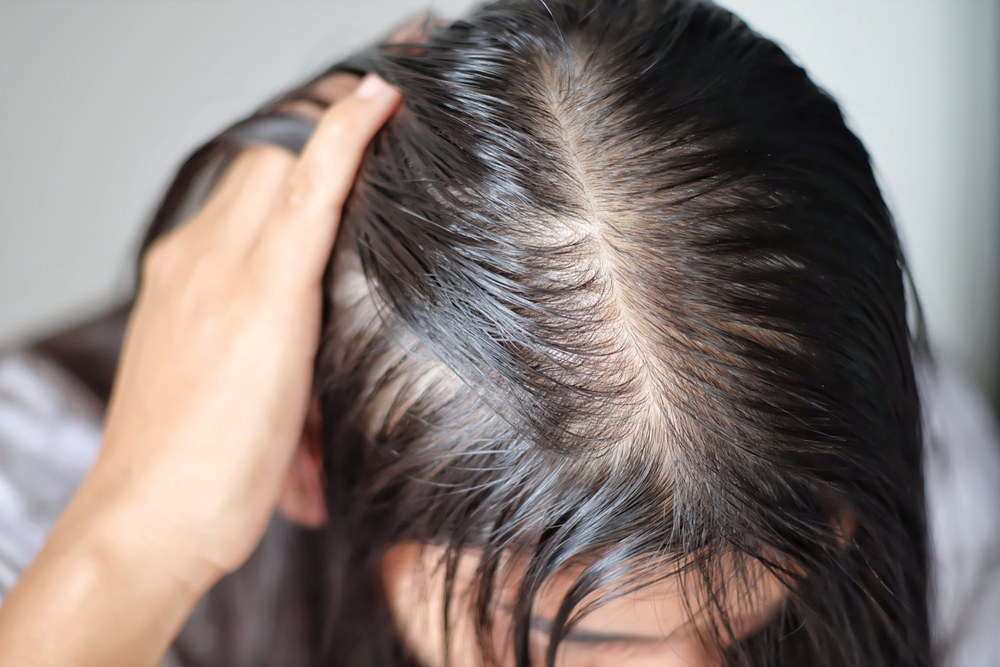
Hair thinning can develop gradually, making it easy to overlook until you notice more shedding, a widening part, or areas that no longer feel as full. For patients looking for a natural, non-surgical approach to supporting healthier-looking hair, regenerative treatments such as PRP and PRF may be worth considering.
At Lighthouse Aesthetics in Milford, we offer platelet-based treatments that use components from your own blood to support the scalp and natural hair growth processes. While PRP and PRF are similar, there are important differences between them.
What Is PRP for Hair Thinning?
PRP stands for platelet-rich plasma. During treatment, we draw a small amount of your blood and process it in a centrifuge to concentrate platelets and growth factors. The resulting PRP is then injected into targeted areas of the scalp.
PRP has been studied extensively for certain forms of hair loss, particularly pattern hair thinning. Treatment is designed to support existing hair follicles and create a healthier scalp environment for growth.
Potential benefits of PRP for hair thinning include:
• Reduced shedding over time
• Support for thicker, fuller-looking hair
• A non-surgical treatment using your own blood
• Minimal disruption to your normal routine
• Treatment plans that can be customized to the extent of your thinning
Because hair grows slowly, improvements generally develop gradually rather than immediately.
How Is PRF Different From PRP?
PRF stands for platelet-rich fibrin. Like PRP, it is created from a patient's own blood. However, PRF is processed differently and forms a fibrin matrix that can release growth factors more gradually.
Both approaches focus on using your body's own regenerative components. PRF is increasingly used in regenerative aesthetics, while PRP currently has a broader body of research supporting its use for certain types of hair thinning. The right option depends on your hair concerns, medical history, degree of thinning, and treatment goals.
PRF vs. PRP for Hair Loss
The biggest difference between PRF and PRP is how the blood-derived material is prepared and how growth factors are released after treatment. PRP delivers a concentrated platelet-rich plasma, while PRF creates a fibrin structure designed for a more gradual release.
For hair restoration, PRP is commonly selected because it has been studied specifically for scalp treatment and pattern hair loss. That does not mean every patient should receive the same treatment. Hair thinning can have many causes, and determining what is contributing to your changes is an important part of choosing an appropriate plan.
What to Expect From PRP Hair Treatments in Milford
Hair restoration is usually a process rather than a single treatment. At Lighthouse Aesthetics, we begin with a consultation to review your concerns, health history, and goals. A common PRP hair treatment plan may include monthly sessions for approximately three months, followed by maintenance treatments every three to six months based on your response. Some patients begin noticing less shedding within the first few months, while visible improvements in fullness can take longer because of the natural hair growth cycle.
If you are noticing increased shedding or thinning hair, schedule a personalized PRF or PRP consultation with Lighthouse Aesthetics to learn which regenerative treatment may fit your hair restoration goals. Contact our office in Milford, CT, by calling (203) 874-7435 to book an appointment.

All Aesthetic
Services

Keep
In Touch

Our Services
Contact Info
Hours of Operation
- Monday Closed
- Tuesday 9:00am - 6:00pm
- Wednesday 9:00am - 6:00pm
- Thursday 9:00am - 6:00pm
- Friday 9:00am - 5:30pm
- Saturday Closed
- Sunday Closed
© 2026 Lighthouse Aesthetics. All rights Reserved. Accessibility Statement - Privacy Policy - Sitemap
Powered by:
